
AJAR is dedicated to the discovery of poetry and art in both ordinary and hidden places, providing a space for these works to be exhibited, loved, and challenged. As a bilingual journal and independent small press based in Hanoi, AJAR provides an opening for questions, imaginings, and poetic (im)possibility to be shared across borders, inhabiting language as it moves between worlds and words. In bringing fresh and critical voices of Vietnamese literature and art into English, and welcoming those voices from everywhere into Vietnamese, we focus on quality translations and envision books as artifacts of artistic collaboration. Alongside single author poetry collections, AJAR publishes a bilingual journal of poetry, short fiction, essay, and artwork that revolves around a specific word of choice for each issue.
AJAR dành cho sự khám phá những nơi chốn vắng lặng và thường nhật của thơ ca và nghệ thuật, mở ra một không gian để thưởng lãm, yêu thương và thử thách. Là một tạp chí văn chương và nghệ thuật song ngữ đầu tiên tại Hà Nội và một đơn vị xuất bản độc lập, AJAR mở ngỏ cho những câu hỏi, sự tưởng tượng và những (bất) khả tính thi ca được chia sẻ trong và ngoài các biên giới, cư trú trong ngôn ngữ khi dịch chuyển giữa các thế giới và ngôn từ. Trong nỗ lực mang tới những giọng nói tươi mới, giàu tính phê bình của văn chương và nghệ thuật Việt Nam trong tiếng Anh và chào đón những đồng thanh đồng khí từ các ngôn ngữ khác đến với tiếng Việt, chúng tôi chú trọng vào chất lượng dịch thuật và hữu thực hoá các cuốn sách như những hiện vật của sự hợp tác nghệ thuật. Cùng với các thi phẩm của các tác giả, AJAR ấn hành tạp chí song ngữ với thơ, hư cấu, tiểu luận và các tác phẩm nghệ thuật xoay quanh một từ cụ thể cho mỗi số.
Learn more about their work | Tìm hiểu thêm tại:
Web: ajarpress.com
Shop: https://ajarpress.fwscart.com/
A-festival blog: https://afestivalblog.wordpress.com/
AVAILABLE PUBLICATIONS | CÁC ẤN PHẨM CÓ SẴN
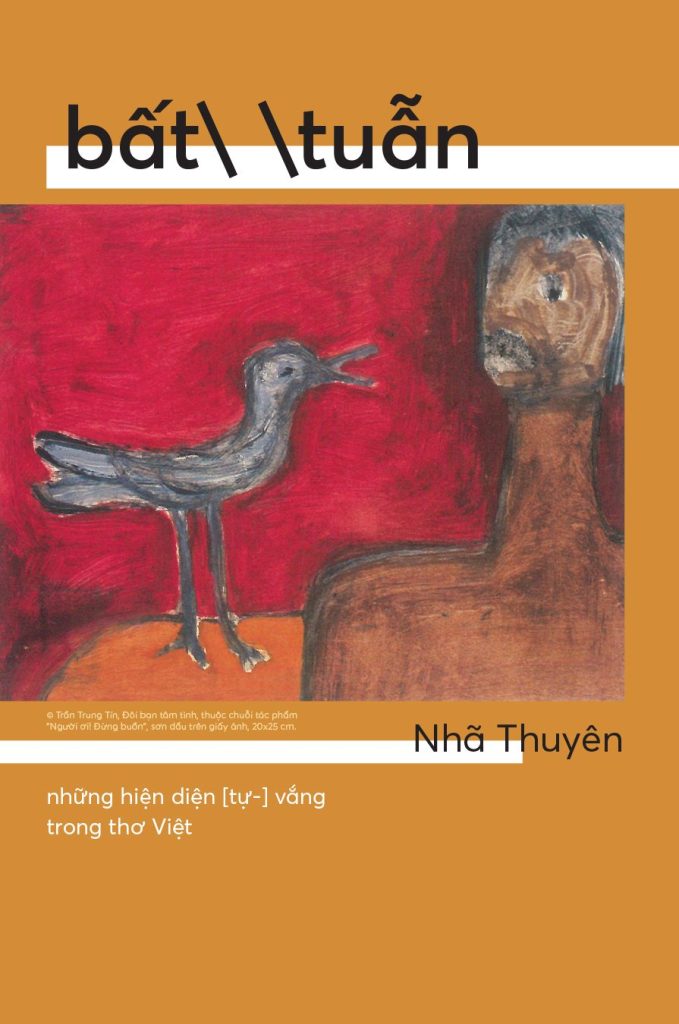
bất tuẫn: những hiện diện [tự-] vắng trong thơ Việt
“Chẳng hạn, thế nào là văn học Việt Nam? Trong cuốn sách này, Nhã Thuyên cho thấy cần phải hiểu ý niệm này trong tính đa nguyên. Sự xuất hiện của internet đã làm lung lay một định nghĩa về văn học dân tộc đóng khung trong biên giới địa lý, làm mờ đi sự phân biệt giữa “văn học trong nước”- “văn học hải ngoại”, để hình thành nên một ý niệm dường như có sức dung chứa lớn hơn – “văn học Việt ngữ”. Nhưng “văn học Việt ngữ”, qua những gì mà ta có thể rút ra từ tập tiểu luận này, lại cần phải được hiểu như là một thực thể đa ngữ, nơi có nhiều tiếng nói vang lên, nhiều thứ tiếng Việt mang trong mình những ký ức, những lịch sử khác nhau.”
—Trần Ngọc Hiếu
Price: 400.000 VND
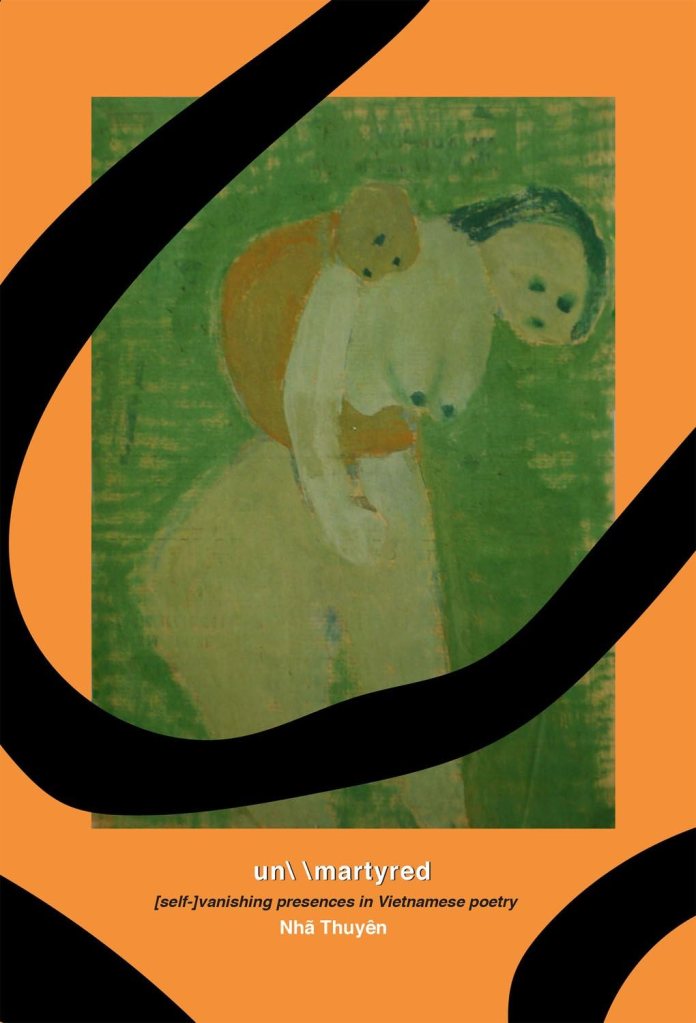
un\ \martyred: [self-]vanishing presences in Vietnamese poetry by Nhã Thuyên, a Hanoi-based poet and critic, is a collection of essays that offers a cartography of the writing communities that have lived (and died) along the margins of Vietnam’ s literary landscape since the Renovation period of the late 1980’ s. The collection deftly and delicately navigates the poetry and poetic work of marginalized writers in Vietnam and their relationship to politics, dissidence, and creative production. un\ \martyred examines expansive modes of aesthetic defiance in essays that themselves glimmer with poetic lyricism and precision. The reader voyages through chronicles of political landscapes and the actors toiling within them. Her explorations of the poetic tendencies– Open Mouth, Womxn’ s Poetry, Sidewalk Poetry, and more– “ nourish an emancipated grammar of poetry.”
Price: 500.000 VND
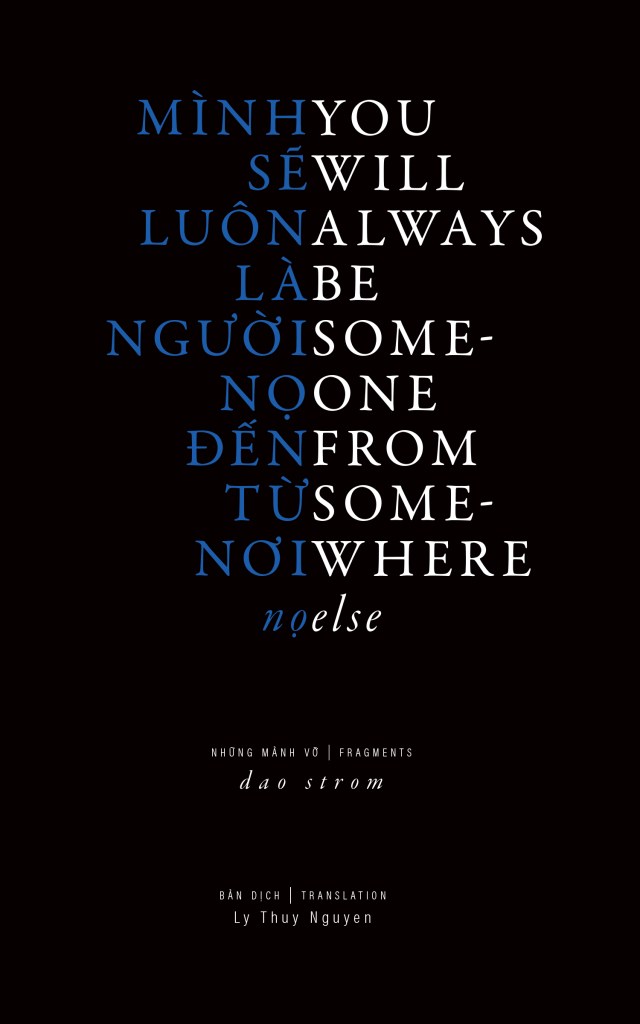
You Will Always Be Someone From Somewhere Else | Mình sẽ luôn là người nọ đến từ nơi nọ
“And you are aware that you are implicated, that your act of reading is involved the continuation and the erasure of memories that do not “belong” to you. In the way mythologies are created, as echoes of knowledge passed on across time and distance, Dao Strom’s book contains this instruction, explicitly named and repeatedly misspelled: “teach them woh to read us, teach meht how to read us, hcaet them how to read us, teach them how to read su.” Self-representing through non-representation, stories that are non-stories, here in there, there in here, You Will Always Be Someone From Somewhere Else reaches where you aren’t.
=
Và bạn nhận ra mình liên can, rằng hành vi đọc của bạn tương ứng với sự tiếp nối và xóa hủy những hoài niệm không “thuộc về” bạn. Trong cách các huyền thoại được thiết lập, như những vọng âm của tri thức khước từ vắt ngang mình qua thời gian và khoảng cách, cuốn sách của Dao Strom mang theo chỉ dẫn này, được gọi tên dõng dạc và đều đặn viết sai: ‘dạy chúng hcàc đọc ta, dạy gnùhc cách đọc ta, yạd chúng cách đọc ta, dạy chúng cách đọc at.” Tự biểu lộ thông qua phi biểu lộ, những câu chuyện phi chuyện, đây trong đó, đó trong đây, Mình sẽ luôn là người nọ đến từ nơi nọ chạm tới nơi bạn không tồn tại.”
Price: 400.000 VND

This bilingual poetry collection https://everything.is by Samuel Caleb Wee and Nguyễn-Hoàng Quyên can be read as a poetics of spacelessness intercoursing with place. Conceptual explorations of the textual and linguistic dimensionality of the internet are punctuated with personal disclosures of a lyric mouth’s located happenings. The Vietnamese of Nguyễn-Hoàng Quyên adds complex translational layers to Samuel Caleb Wee’s transnational (Singaporean) voice, allowing for playfully serious and seriously playful interrogations of opacity and transparency that condition another way toward meaning inside modern existence.
Price: 400.000 VND
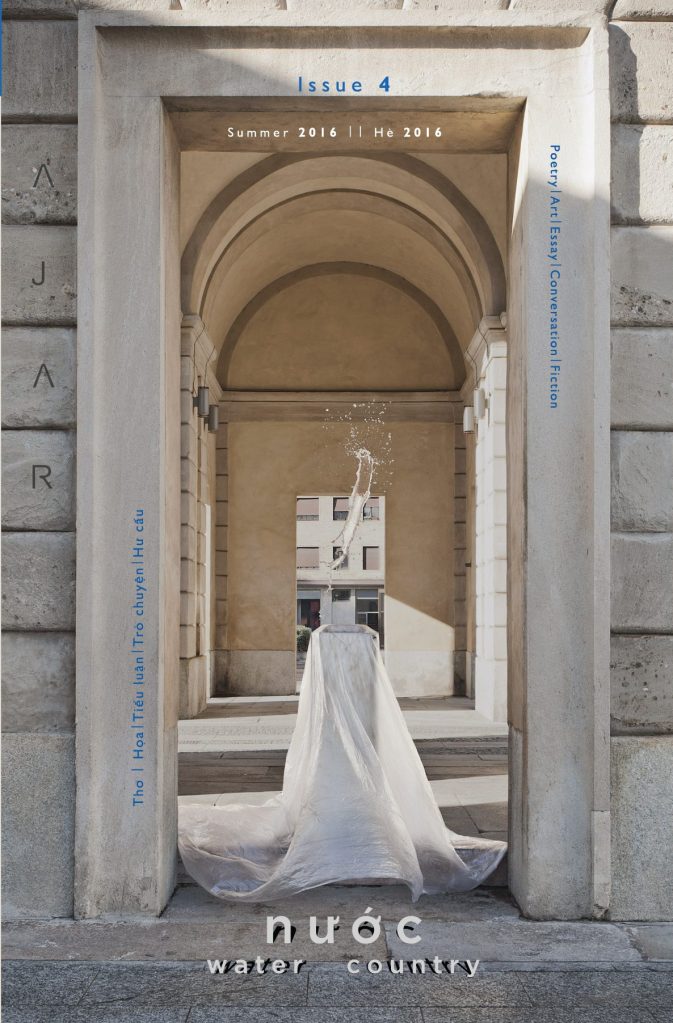
Issue 4: nước | water| country
“And we never think of nation as some abstract idea when it comes to nước: we are in the same nước, our people: người trong một nước. Vietnam is a nước for people, as a living space, to love, to protect, and to be protected inside, as in a mother’s womb, not simply a nation or an institutional name. Could we live in peace in our nước?”
“Và chúng tôi không bao giờ nghĩ về quốc gia, tổ quốc như một ý tưởng trừu tượng khi nghĩ về nước: mình cùng nước, dân mình: người trong một nước. Với dân mình, Việt Nam là một nước, một không gian sống, để yêu thương và bảo bọc, để được bảo bọc trong đó, như lòng mẹ, không phải chỉ như một quốc gia, một cái tên hành chính. Mình có thể an bình sống trong nước mình không?”
Price: 400.000 VND
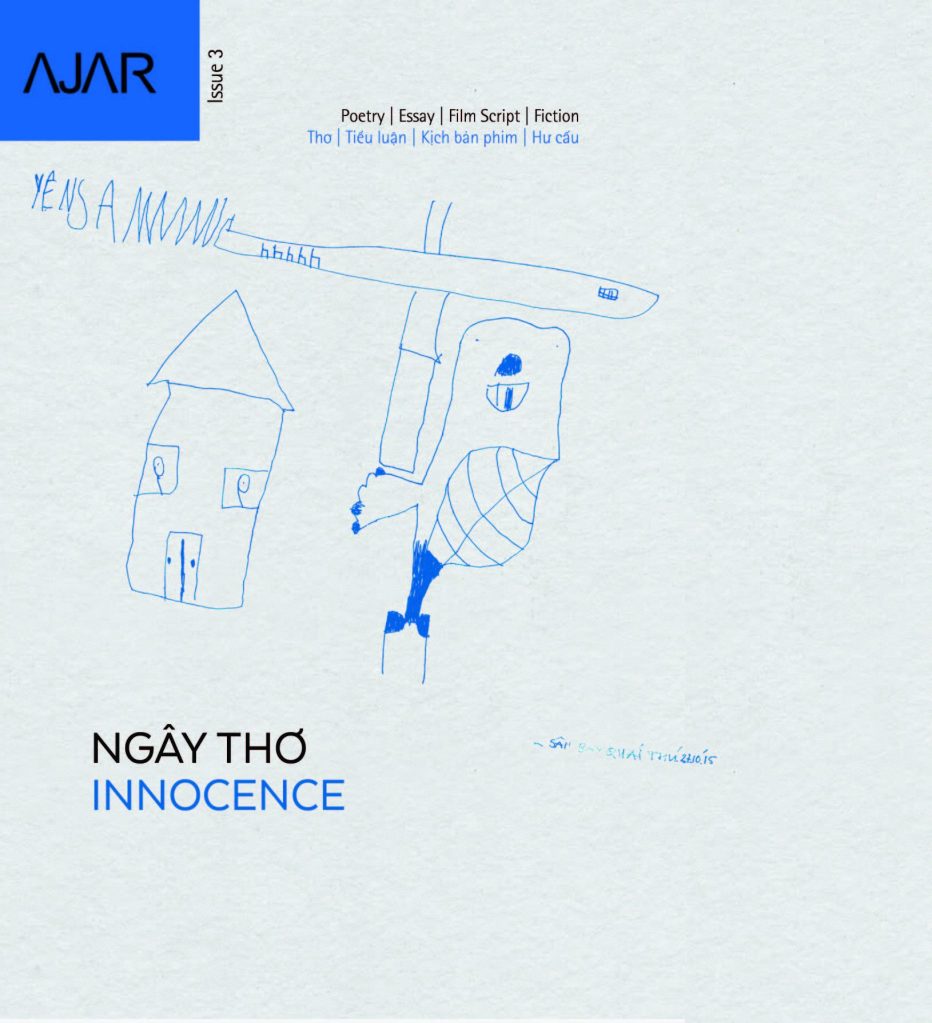
Issue 3: innocence || ngây thơ
Critically innocent, a concentrated state of innocence, experience to the nthpower, experienced innocence, a once-more innocent experience, a chance to not be framed inside our limited experience as a human being.
Is there any way for us to expose innocence without an interpretation or explanation of it? In the issue, you can meet [non]drawings of children, you can meet writings that demand re-re-re-freshening in the complexity of their reading, writing and translating. You can meet writings that seek, through language, a return to the undifferentiated experience of being pre-language, you can meet and re-meet works that seem to toy with the maturing pains of accumulated life. Here translations play with their originals, originals play with their origins, translations with translations. And somewhere in the gaps between originals and translations, between mother tongue and language of another one, inside the authors who write in adopted languages, and who translate themselves, we can think about translation as the innocent stumbling (sinfully) over pages, even over cultures.
The calling of poetry is in some way the calling of innocence, of a playing, of the child-soul-child-mind, of the person forever being scratched for the first time, eternally new in every pain, in every experience.
Hanoi Autumn, 2015
Price: 400.000 VND
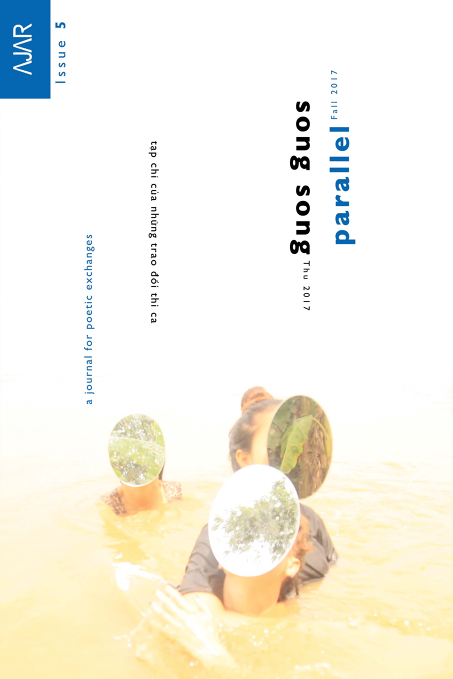
Issue 5: song song || para||el
In presenting this song song || para||el translation issue, we know it can always be another way, the is no end to the variations, to the possibilities, to the choices for how to bear/be borne across languages. With the reflection constantly in flux — no, it is the river that moves and the reflection that stays in one place, we watch ourselves move through another realm while standing still in this one. Perhaps if the water weren’t so murky we could see through to the river bottom and it would tell us the final, perfect word to use up here, on this side. This is the impossibility that we seek, that we speak (of) in this issue.
***
Khi trình bày số chủ đề dịch song song || para||el này, chúng tôi biết sẽ luôn có một lối đi khác, sẽ không có điểm cuối kết cho những biến thể, những khả thể, những lựa chọn cách thế ôm mang/được sinh ra băng ngang các ngôn ngữ. Như phản chiếu không ngừng chuyển sắc — không, chính là dòng sông chuyển động và hình ảnh phản chiếu đó vẫn nguyên một chốn, ta nhìn chính mình chuyển động qua vùng nọ khi vẫn đứng lại nơi này. Có thể nếu nước không quá đục, ta sẽ nhìn thấu đáy sông và sông sẽ nói ta nghe từ hoàn hảo cuối cùng được dùng nơi đây, phía bờ này. Đây là sự bất khả mà chúng tôi tìm kiếm, điều chúng tôi nói (về) trong số này.
Price: 400.000 VND

We, Now, Here, There, Together | Chúng ta, lúc này, đây, đó, cùng nhau
The collection of essays gathered from A-festival (Hanoi, 2016) explores different notions of the political in poetry. “Politics relating to how groups define themselves and form their identity against odds; gender politics, such as making certain female writers, previously underrepresented, more visible; language politics—which language to use? whose language? when is it allowed and disallowed? what are the consequences of using and misappropriating it?; politics that have to do with governments, regimes, histories and policies; and lastly, politics of the more personal kind manifested in everyday decisions, a form of politics that does not go away, that frightens one but at the same time also enriches one’s writing and sharpens one’s awareness of being alive.” (From the foreword by Tammy Lai-Ming Ho: Not Yet Born and Again: A Community)
Price: 250.000 VND
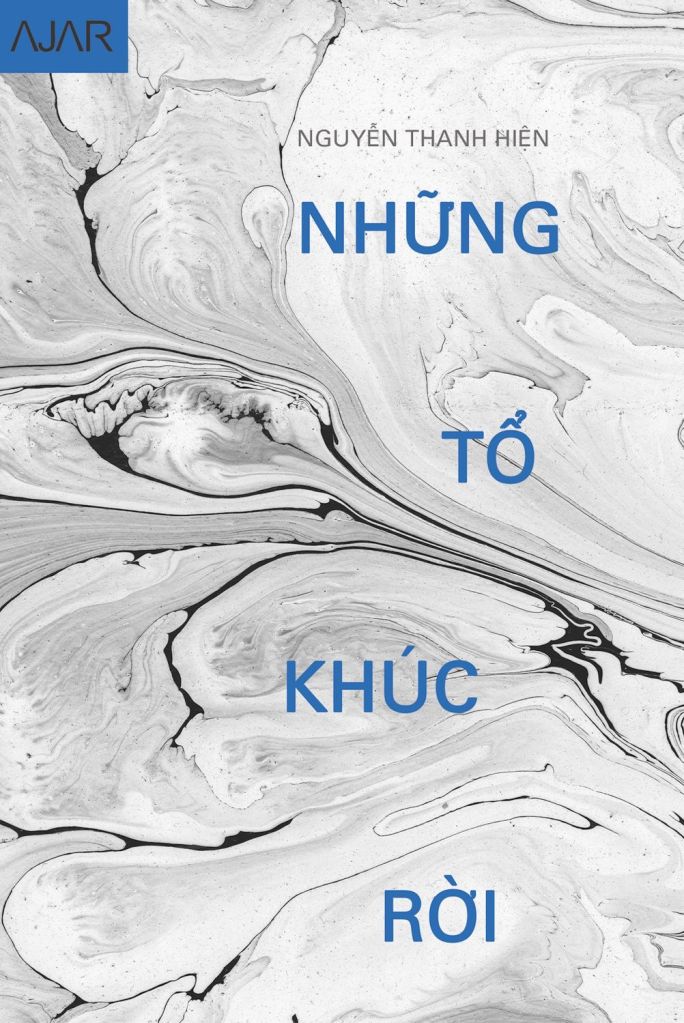
in place of a preface
i go. keep feeling myself lost in the time beyond thought. the sun shedding its petals. ephemeral world. i carry words and meanings formed by transforming. the dispersals. the fusions. lingering tears of grass and trees. one day in the century there is someone who sits among the world ephemera to talk about how are the ways flowers decay. i go. keep some flickering dreams of recuperation. the oneness. the mild manners of the smallest creatures. roaming presences and absences. rich flow of sun of wind of existence only visible by inspiration. and perhaps words get intricately tangled in a chaos of meaning. the bulldozers must pause until senses can recover. seems the birds don’t want to sing anymore. because every last one of their songs becomes meaningless in a world where senses cannot be recognized. in times like these I often see an object by the name of a paradox from dreamy lands running through the sad months and years.
Price: 200.000 VND

Phối giống tôi
Here, a body is never a body without stark words,
the musical perversity of wounds. This is not some theater.
Ở đây, một cơ thể không bao giờ là một cơ thể nếu thiếu những từ trần trụi,
sự ngoan cố đầy tính nhạc của những vết thương. Đây không phải rạp hát.
Price: 200.000 VND

The poetic of space
A space exists and exists and exists until it encounters an edge. The edge says, here I am, there you must be. Like water, defined by its container, maybe we, like space, like water, are all defined by our encounters. A coffee shop. A house. A book. A city. A person. What makes a space real? Maybe it is the encounter.
Two people meet in a coffee shop, meet at the measurable space of a table. The name of a book is uttered between them and each retreat to an immeasurable private space, one they have shared with only this book. They are sitting at the table but for a moment they are not.
Two people live in two houses located in two cities and read one book. The book distorts the space between them; it becomes the space between them. They enter it. The book contains houses, it is a house; it inhabits the two people living in two cities.
Two people live in two cities and decide to write to each other about a book. They encounter each other by way of their language while inside another’s language.
The following is a conversation of three voices: Kaitlin, who lives in an old house in Hanoi; Christophe who lives in a tall house in Saigon; and Gaston Bachelard, who lived and wrote in the houses of human consciousness in 20th century France. The encounter took place through electronic mails during the month of January 2014.
Price: 200.000 VND
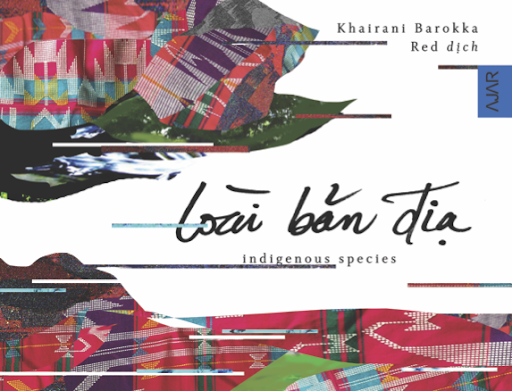
Loài bản địa
‘Một bài ca trữ tình về những hòn đảo chấn thương và cư dân của chúng, Loài bản địa dội về trong tôi một điệu nhạc cổ mà những người kể chuyện dân gian thường hát. Nó mang âm hưởng cổ tích, khơi mở một thế giới ảo mộng bên cạnh cơn hỗn mang của thực tại; nói cách khác, nó tựa một lời ru, nhưng là lối ru buộc ta phải thức.’
— Eka Kurniawan, tác giả tiểu thuyết Đẹp là thương (Beauty is a Wound)
‘A ballad about wounded islands and their people, Indigenous Species reminds me of an old song, the kind our village storytellers used to sing. It has a fairytale quality, setting a dreamlike world alongside the horror of real lives; in other words, it’s like a lullaby, but one that will make you stay awake.’
— Eka Kurniawan, author of Beauty is a Wound
Price: 400.000 VND
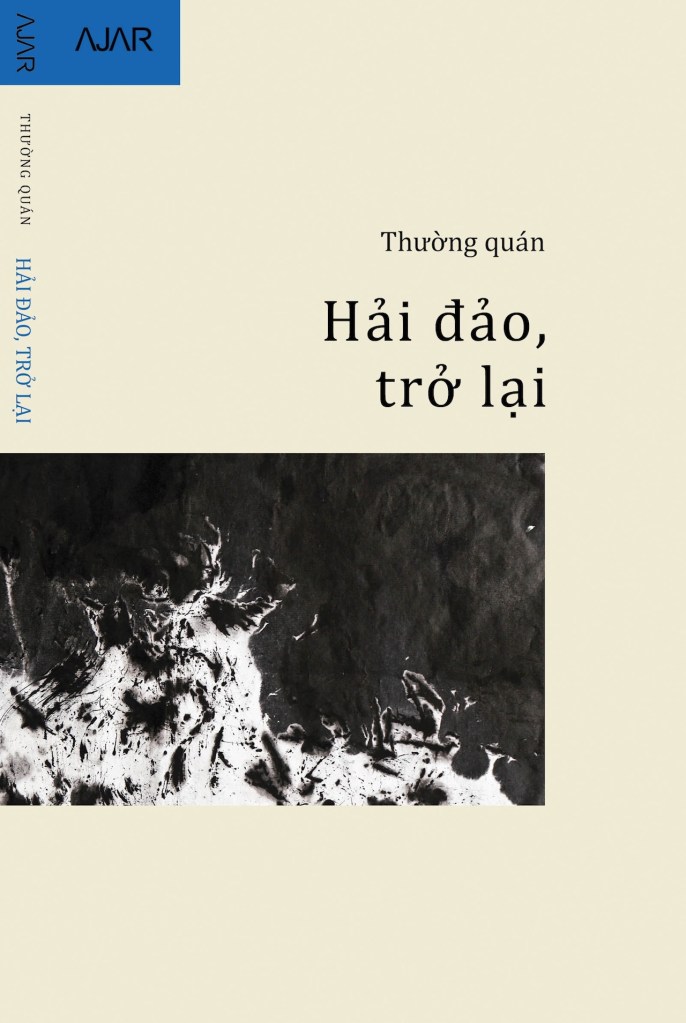
Hải đảo, trở lại
“[…] Hải đảo là một hình tượng qua trưa và băng đêm, nó không hề là ẩn dụ cho một đơn độc. Khi bạn, ngồi với một cuốn sách, thì bạn độc lập mà không đơn độc, phải vậy không? Cảm giác trùng phùng của chữ lời, những gặp gỡ trong liên tưởng, hay, nói như nhà thơ Dương Tường trong Thay Lời Bạt, của bao kỷ-niệm-sẻ-chia. Chính cảm giác ấy, tôi mong, là hạnh phúc. Gốc rễ của thơ: ta có thể thả lửng như những đầu bạch dương mà mùa màng đã dọn hết lá, treo giữa trời kia, hay có thể kéo lại gần, cùng thứ kỷ niệm chung cùng, của những ai đã từng đi qua bìa một cánh đồng, đứng trước một căn nhà, về tới một bìa nước, nước soi rọi thơ ấu.
Tôi gởi bạn người cầm tập thơ này khoảng không gian ấy.”
– Trích từ giới thiệu của tác giả
Price: 200.000 VND


 MoT+++